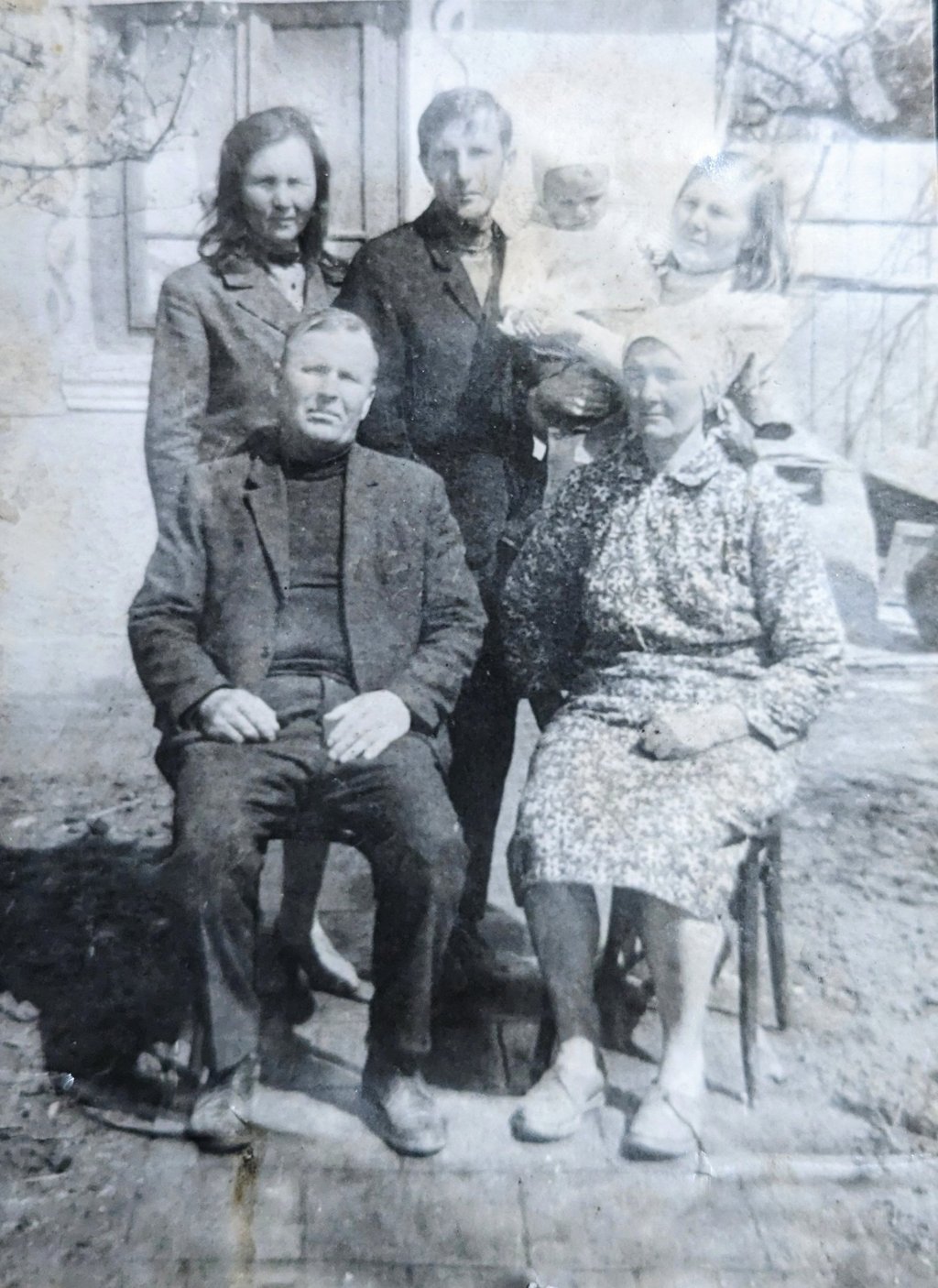
Ghindărești is a village of around 2,000 inhabitants in Romania’s Dobruja region, with a strong fishing heritage shaped by the Danube and a predominantly Russian-Lipovan population. It’s also my family’s home.
Like many rural communities in Romania, it has been under pressure. The traditional way of life of the fishermen’s community is slowly disappearing, economic opportunities are limited and many young people leave for bigger cities or abroad.
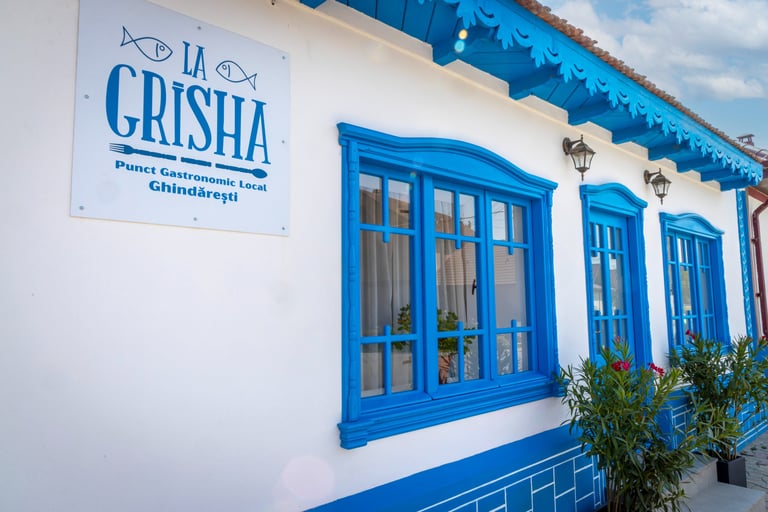
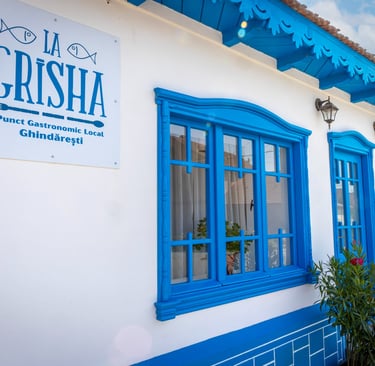
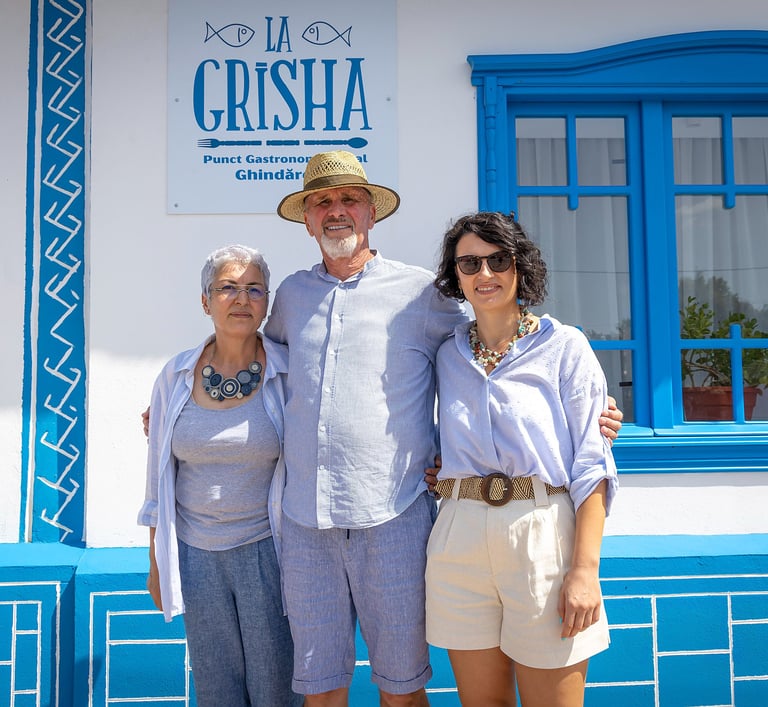
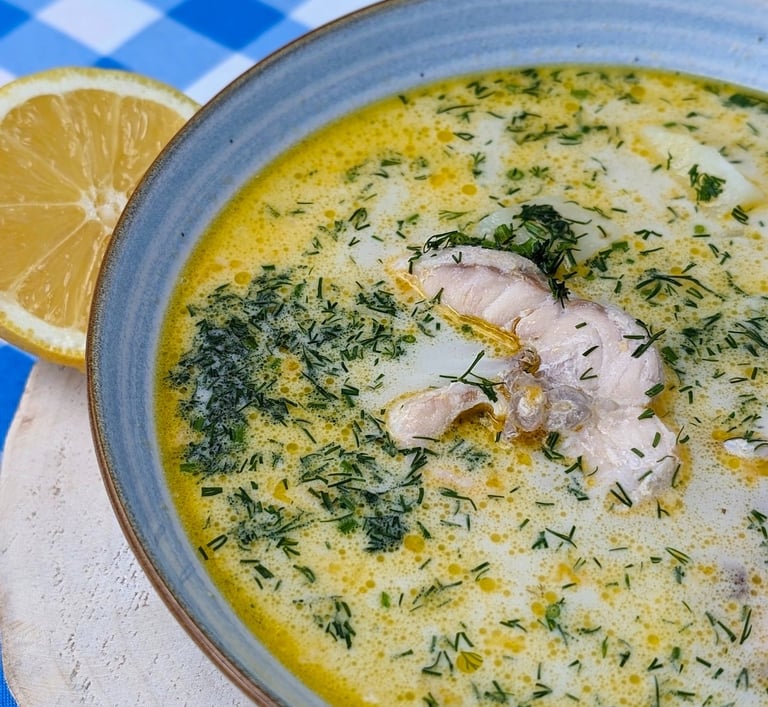
La Grisha was created in 2022 to honour our family's heritage but also as a response to this reality. We restored our ancestral home and opened it to visitors as a small gastropub centred around traditional fish-based cuisine and local sourcing. A bet that something different is possible – that it is possible to attract visitors to an unknown place and it is possible to create economic opportunities where there were none.
When we started, some called us crazy dreamers.
Turning my home village into a gastronomic destination through strategic storytelling
1. The challenge
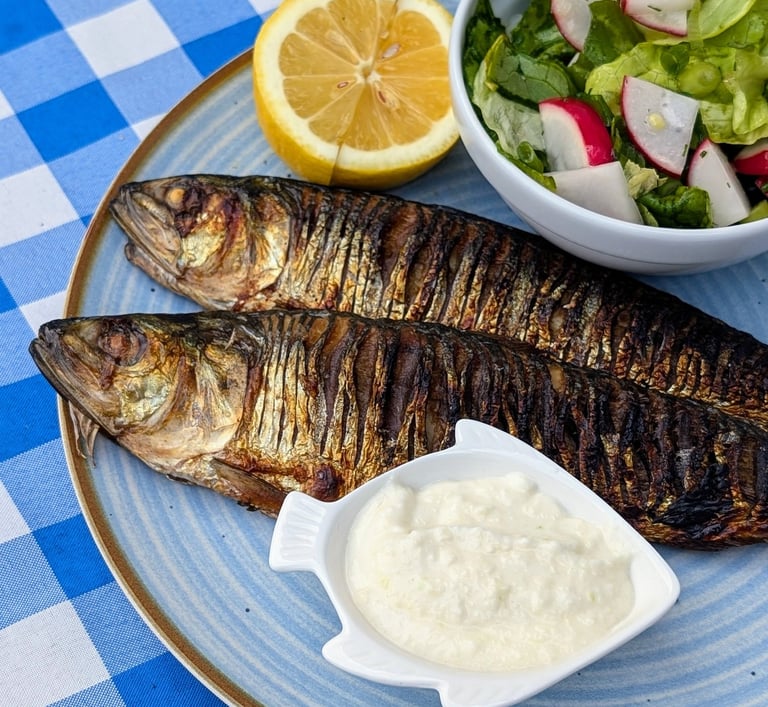
We knew we had something special. The food was great (the recipes I grew up with, built around fresh Danube fish), the village had a distinct cultural identity shaped by its Russian-Lipovan heritage, and the natural landscape itself was already an attraction.
So the challenge wasn’t the product. The food, the place, the story were already there. The biggest challenge was visibility and perception. Ghindărești is a remote village, with no tourism infrastructure and little presence on the map. Local fish has low visibility in contemporary gastronomy and many people are hesitant about river fish because of its bony structure.
The question became one of positioning – How do we bring people to a place they’ve never heard of? How do we transform local food traditions into something people value and desire?
2. Approach
Communication became a core part of the business strategy. I designed a system where story, experience and community reinforce each other.
1. Narrative at the center
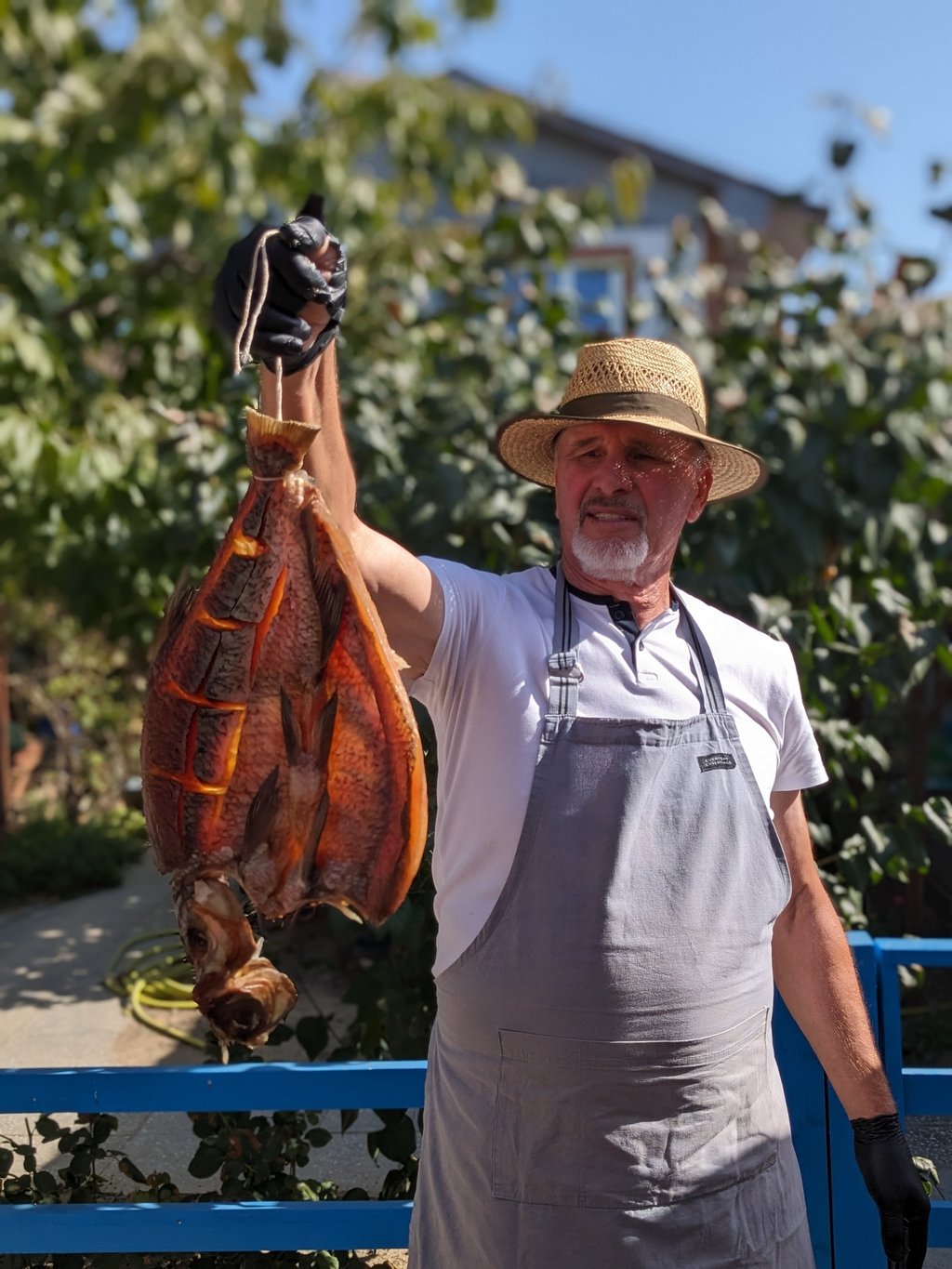
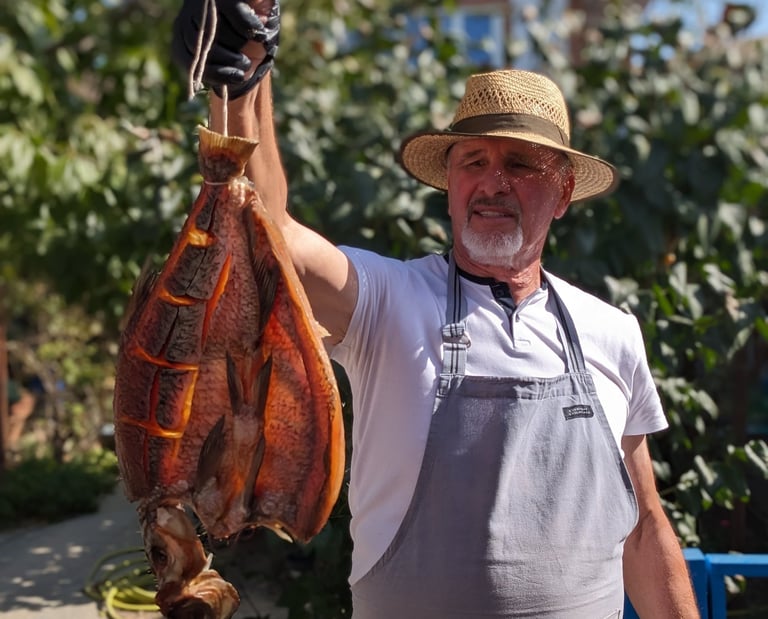
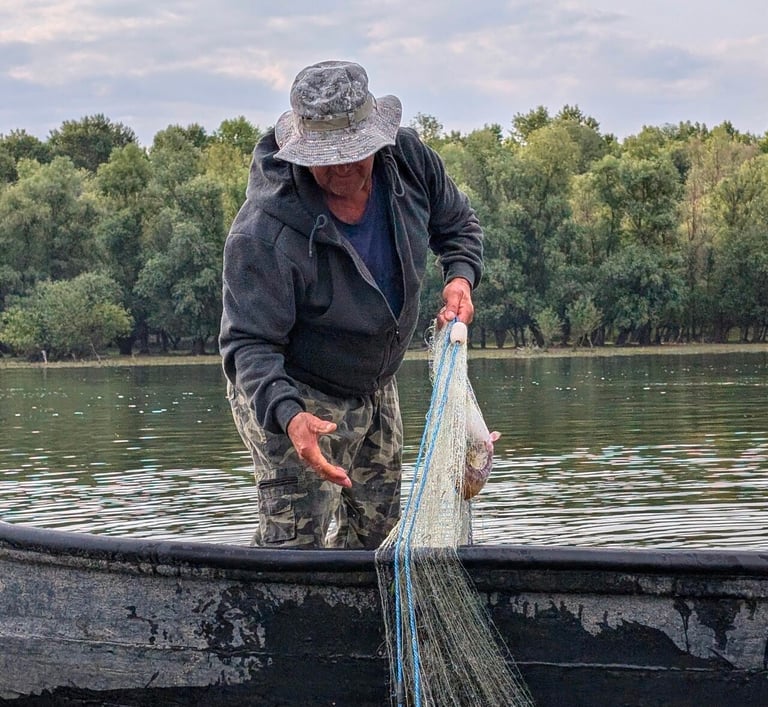
A clear brand story rooted in family, heritage and place. La Grisha is not positioned as a simple restaurant, but as a home where three generations lived and where guests are invited into that continuity. A wild-caught Danube carp is just a fish, a carp caught by a third-generation fisherman and prepared in his ancestral kitchen is a piece of living history.
2. Defining and amplifying distinctiveness
The communication strategy focused on a few core differentiators – fresh Danube fish, Lipovan heritage, family recipes and the surrounding landscape – consistently reinforced across all channels (website, social media, PR engagement etc).
3. A clear target audience
Rather than aiming for mass appeal, we targeted educated, urban consumers with the means and curiosity to seek authentic experiences. This clarity informed messaging, tone, visuals and paid digital advertising strategies.
4. Community as part of the brand
Local fishermen, farmers and artisans are more than just suppliers, they are part of the story. Their work and identity are actively integrated into our communications, creating a shared narrative and amplifying trust.
5. Creating moments, not just meals
Besides the day to day service, La Grisha also organises special events like wine tastings, fine dining menus with guest chefs and themed cultural evenings. These create diversity and attract attention, keeping the brand alive in the media and ensuring that guests become brand ambassadors.
3. Results
The project evolved from a small family initiative into a driver of local tourism and rural development:
Thousands of visitors each year, travelling from across Romania
New economic opportunities for local producers (fishermen, beekeepers, farmers, artisans)
Invitations to present La Grisha at conferences as a best practice case study (Slow Food Romania, National Gastronomy forums)
Recognition as “Custodian of Creative Tradition” in 2025
Nominated for the "Best Concept-Restaurant Award" at the Horeca Women's Gala 2025
Coverage across national media and a documentary film telling our story
...all emerging from a village that few Romanians could locate on a map just a few years ago.
Beyond the business itself, La Grisha has become a way to show that local heritage can create economic value without losing its meaning. By connecting food, place and people, it demonstrates how strategic storytelling can strengthen communities and turn tradition into a living, sustainable economy.
If you’re working with local or traditional communities and need help turning identity, culture and livelihoods into stories that resonate, build support and earn recognition, feel free to reach out.
Ioana Matei
I build strategic influence through communications. Got a challenge or an idea? Let's talk.
hello@ioanamatei.info
LinkedIn
Based in Romania, working globally.